This year, we received a staggering 900 applications for the 10 Fellowship positions. The overwhelming majority of the applicants displayed a strong need for the fellowship and articulated the various entry barriers they face in pursuing a career in litigation.
The sheer breadth and diversity of applications received show the consistent lack of support first-generation women face in pursuing a career in litigation in India and reinforces the aim of the Indian Litigation Fellowship.
For the Third Cycle (2026-2027), the following fellowships were awarded:
Open Litigation Fellowships:
• The Open Litigation Fellowship is being awarded to eight first-generation women litigators.
Lawyers in Residence:
• One Lawyer-in-Residence Fellowship is being awarded to a Fellow who will be attached to Pravah Law (Chambers of Mr. Shrutanjaya Bhardwaj), New Delhi for a period of 1 year.
• No candidate was selected for Lawyer-in-Residence Fellowship attached to E-23 Chambers, New Delhi for 2026-2027
Law schools across India have witnessed increased enrolment from women and now have a more gender diverse student body. However, when women law students graduate from law schools, and are interested in a career in litigation, they are faced with many challenges. The courtroom can present itself as a difficult choice for first generation women litigators as they begin their professional careers.
Law schools across India have witnessed increased enrolment from women and now have a more gender diverse student body. However, when women law students graduate from law schools, and are interested in a career in litigation, they are faced with many challenges. The courtroom can present itself as a difficult choice for first generation women litigators as they begin their professional careers.
Over 60% of the applications we received were from candidates who had already graduated, reflecting the challenges faced by first-generation female litigators in pursuing a career in litigation.
The overwhelming majority of the applicants displayed a strong need for the fellowship and articulated the various entry barriers they face in pursuing a career in litigation. The sheer breadth and diversity of applications received show the consistent lack of support first-generation women face in pursuing a career in litigation in India and reinforces the aim of the Indian Litigation Fellowship.
Data Analysis
The Selection Process includes a preliminary round led entirely by practicing lawyers volunteering their time and effort, a second shortlisting round by the ILF Team, and a final interview round. We are pleased to announce the selected Fellows for the Indian Litigation Fellowship – 2026-2027 Cycle.
Law schools across India have witnessed increased enrolment from women and now have a more gender diverse student body. However, when women law students graduate from law schools, and are interested in a career in litigation, they are faced with many challenges. The courtroom can present itself as a difficult choice for first generation women litigators as they begin their professional careers.
Indian Litigation Fellows, 2026-27
Open Litigation Fellows, 2026-27
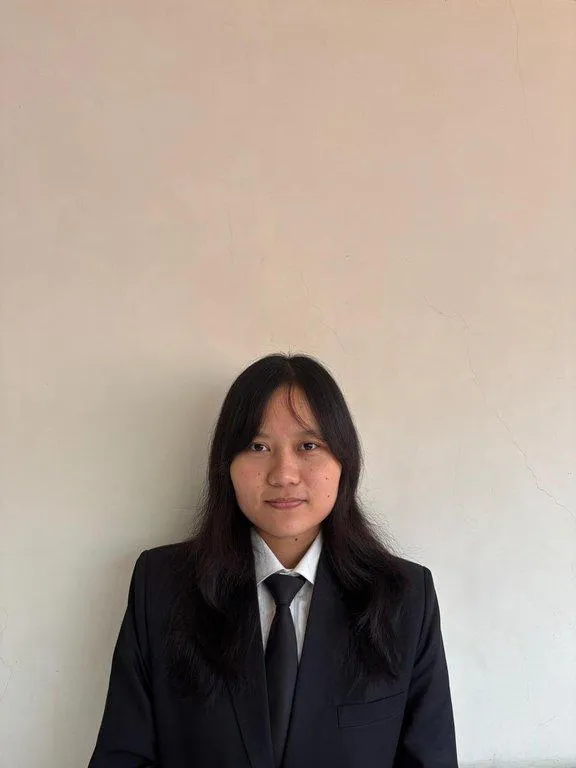
Guwahati, Assam
National Law University and Judicial Academy, Assam
Binita comes from Singerbond Village in Cachar district, Assam. Her internship experiences deepened her interest in litigation and reinforced her belief that law is not merely a profession, but also a means of advancing justice and social responsibility. She intends to begin her practice at the Gauhati High Court and in the long term, hopes to contribute meaningfully to the development of law through strong legal research, drafting, advocacy, pro bono engagement, and scholarly publications. Through her experiences, she has observed that fear, stigma, and misconceptions often discourage people from seeking legal assistance. She hopes to make legal spaces more approachable and trustworthy, while encouraging greater legal awareness and confidence among people and communities that often remain unheard or underrepresented.
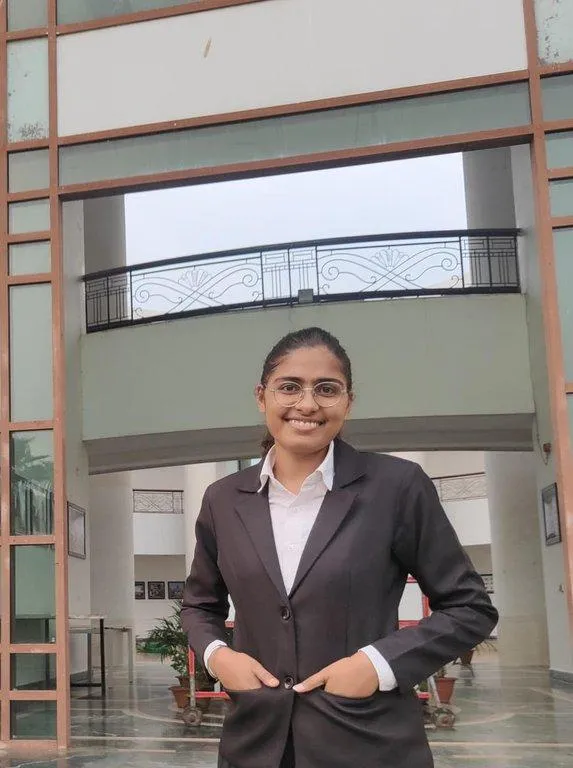
Delhi
Pravin Gandhi College of Law, Mumbai
Kiran is a first-generation lawyer from Bansur, Rajasthan. During law school, she actively participated in moot court competitions, legal aid initiatives, and gender justice programmes. Currently, she is practicing before the District Court at Saket, Delhi. Being the first lawyer in her family, she hopes to eventually set up her independent chambers and make justice feel little less out of reach for ordinary people and make her a lawyer worth hiring.
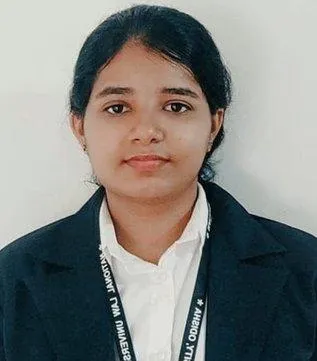
Cochin, Kerala
School of Law, SASTRA University, Tamil Nadu National Law University Odisha (NLUO)
During her academic journey, Ananya worked on contemporary socio-legal issues which deepened her understanding of constitutional values and social justice. She intends to begin her independent legal practice in and around Cochin, Kerala. As someone from a non-legal background, she understands the importance of accessible and empathetic legal representation. Having previously undertaken legal aid matters, her long-term goal is to establish her own office and build a practice rooted in diligence, integrity and meaningful public service.
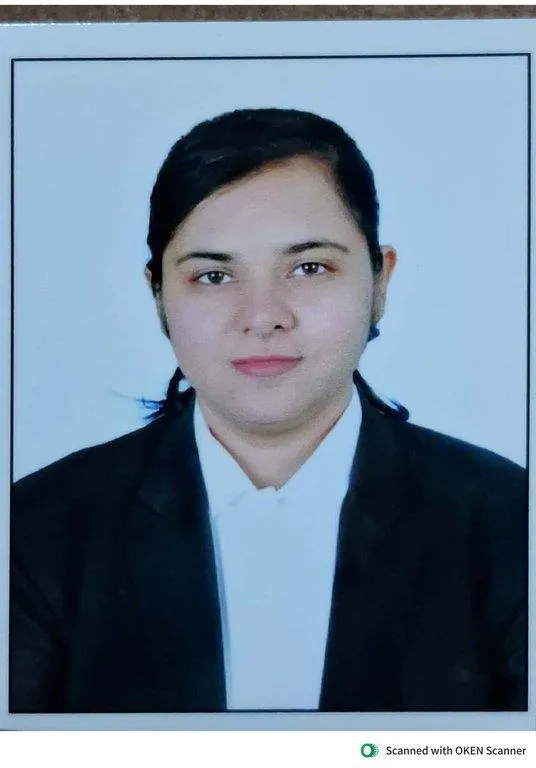
Nipani, Karnataka
Raja Lakhamgouda Law College, Belagavi
As it was both her childhood and her father’s dream to see her become an advocate, Shruti has strived hard to build her career in litigation from working as a professional for two years to afford law school, studying law, and practicing as a junior advocate. Shruti is presently practicing with an Advocate in Nipani and aims to become the best advocate in her town, and help her community.
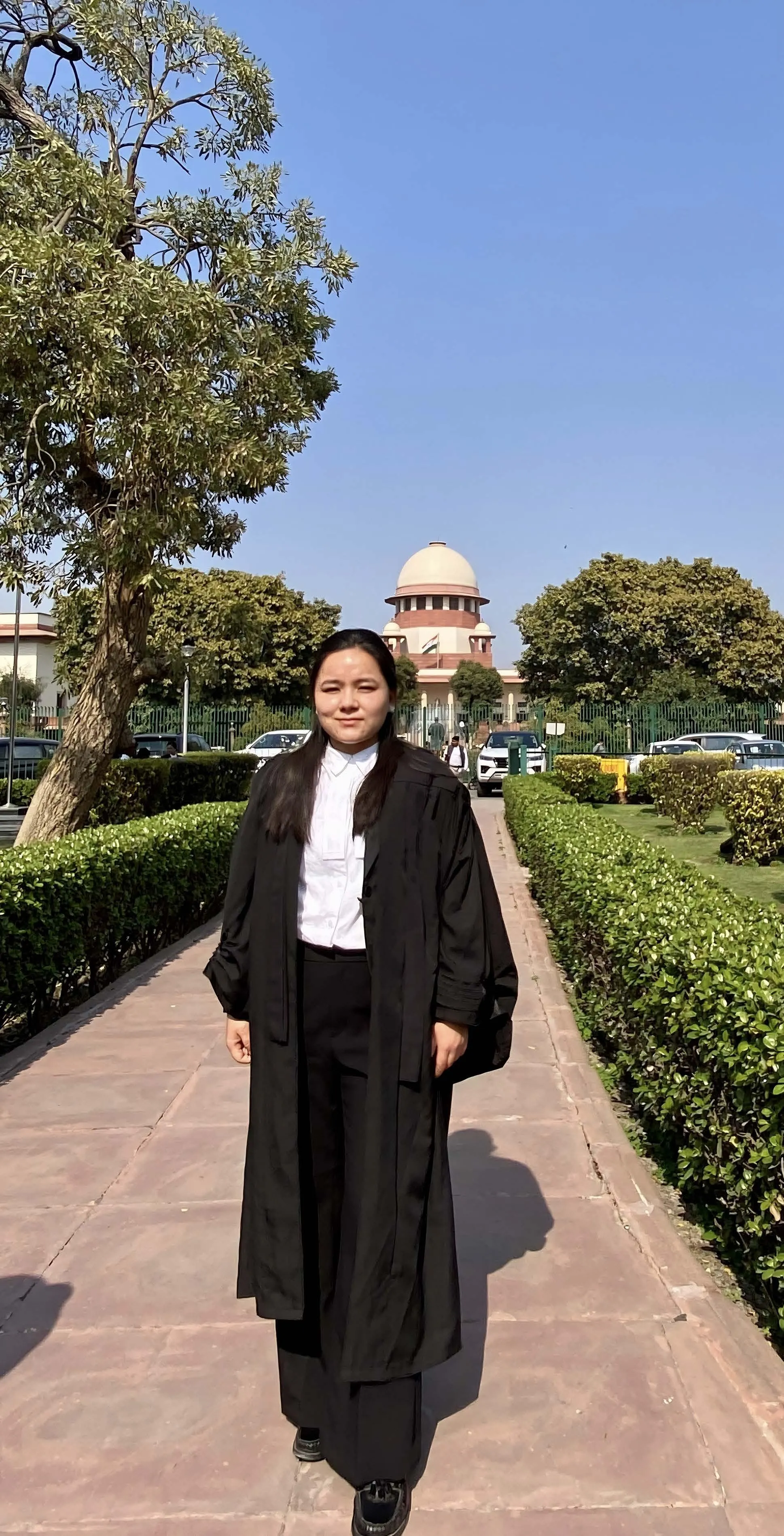
Ladakh
University Institute of Legal Studies, Chandigarh
Tsering spent her schooling years in a Tibetan refugee boarding school within a displaced community, witnessing questions of identity, belonging, and legal vulnerability which deeply shaped her understanding of justice and access to law. Tsering currently practices across courts in Delhi, with exposure to civil, criminal, commercial, service, and DRT matters. Tsering views litigation as a long-term commitment to public service rather than merely a profession. Over time, she wishes to meaningfully contribute to marginalized individuals and communities who often face barriers in accessing legal remedies and representation.
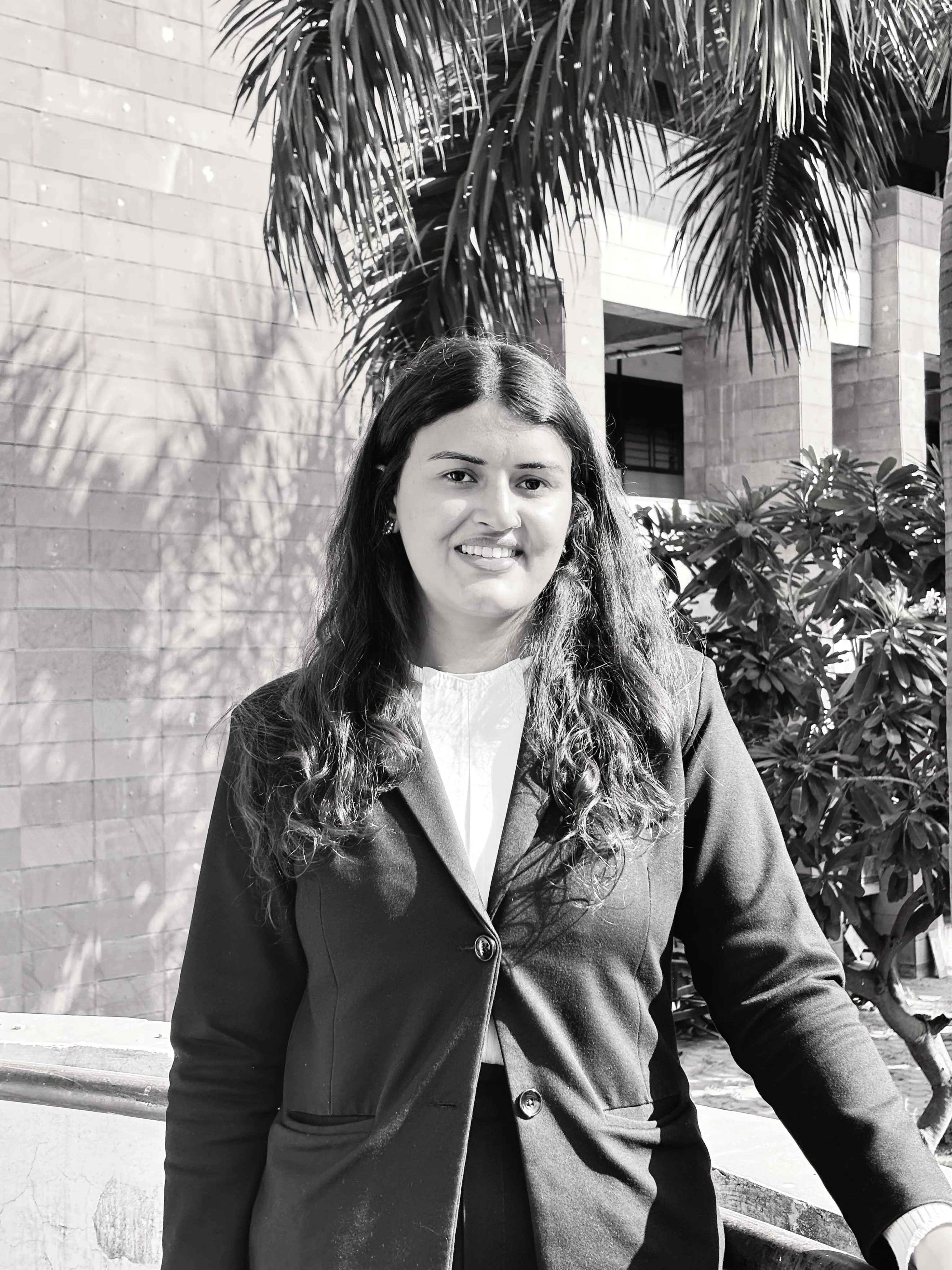

Delhi
Trinity Institute of Innovations in Professional Studies, Noida
Ayesha Shahid is a recently enrolled advocate practicing before the District Courts in Delhi and the Delhi High Court. Ayesha has always believed in combining practical experience with theoretical knowledge as the key to excel in litigation. She hopes to build a long-term career in litigation through consistent courtroom practice, legal research, and drafting work. Alongside her professional goals, she aspires to also contribute to society through pro bono work and by assisting those in need.
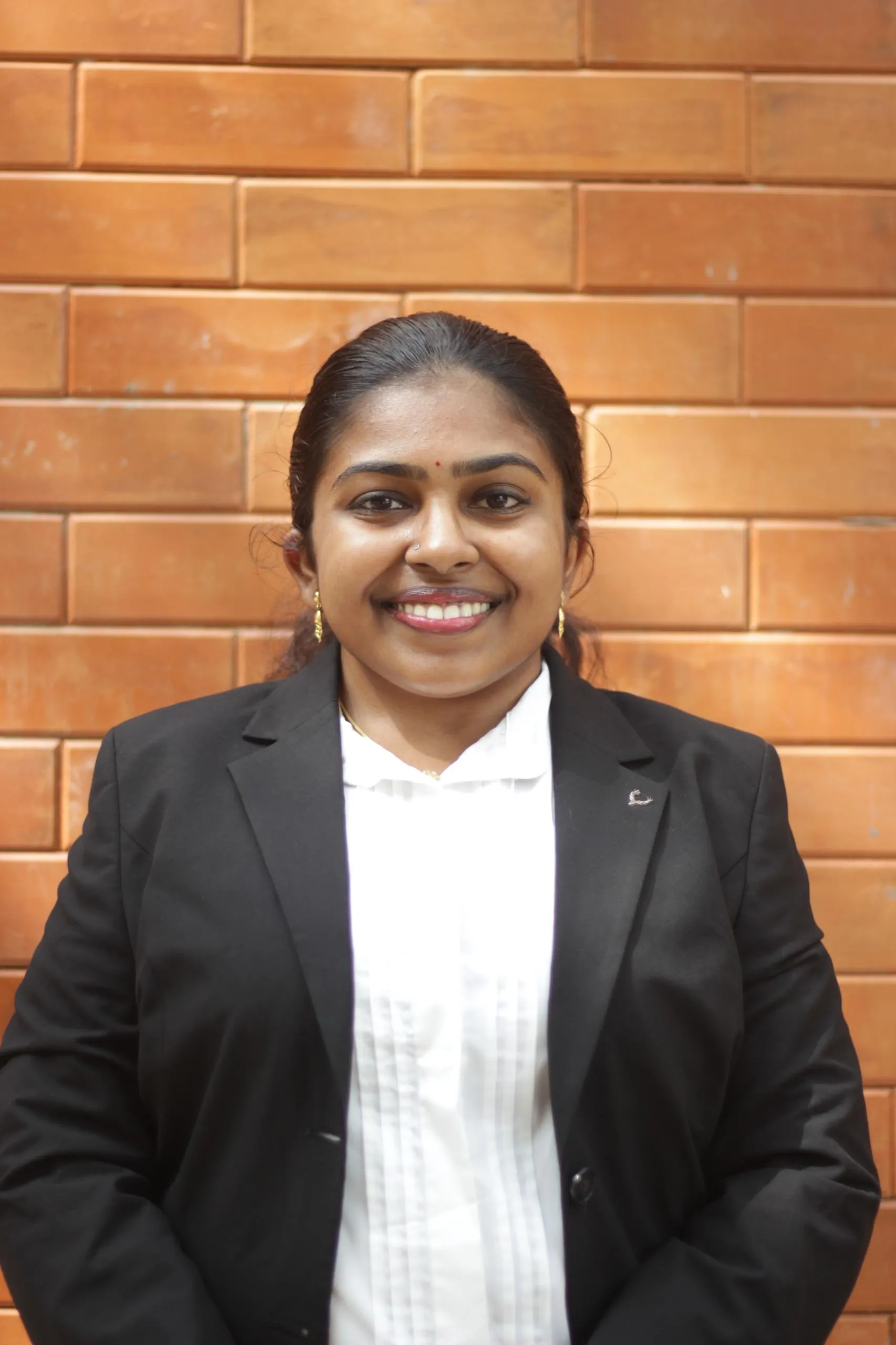
Chennai, Tamil Nadu
Lawyer in Residence Fellow, 2026-27
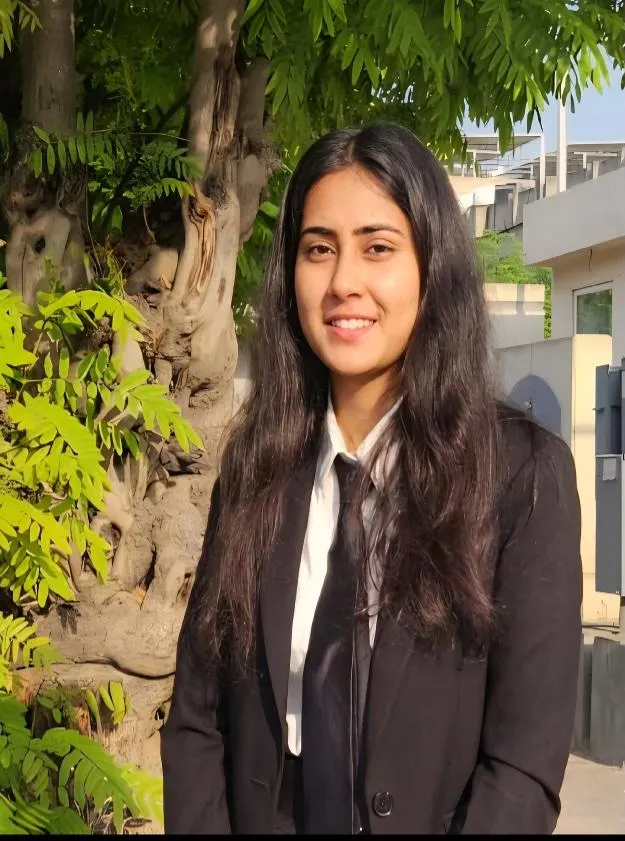
Quantum University, Roorkee, Uttarakhand
Text
